

Recovery determines whether training produces fitness or accumulated damage. The athletes who improve year over year are not the ones who train hardest. They are the ones who manage stress and repair the body between sessions with the same precision they bring to workouts. The nine methods below cover the levers that produce the largest measurable returns on pain management, healing speed, sleep quality, mobility, and competition readiness.
#1. Treat Sleep as the Primary Recovery Tool
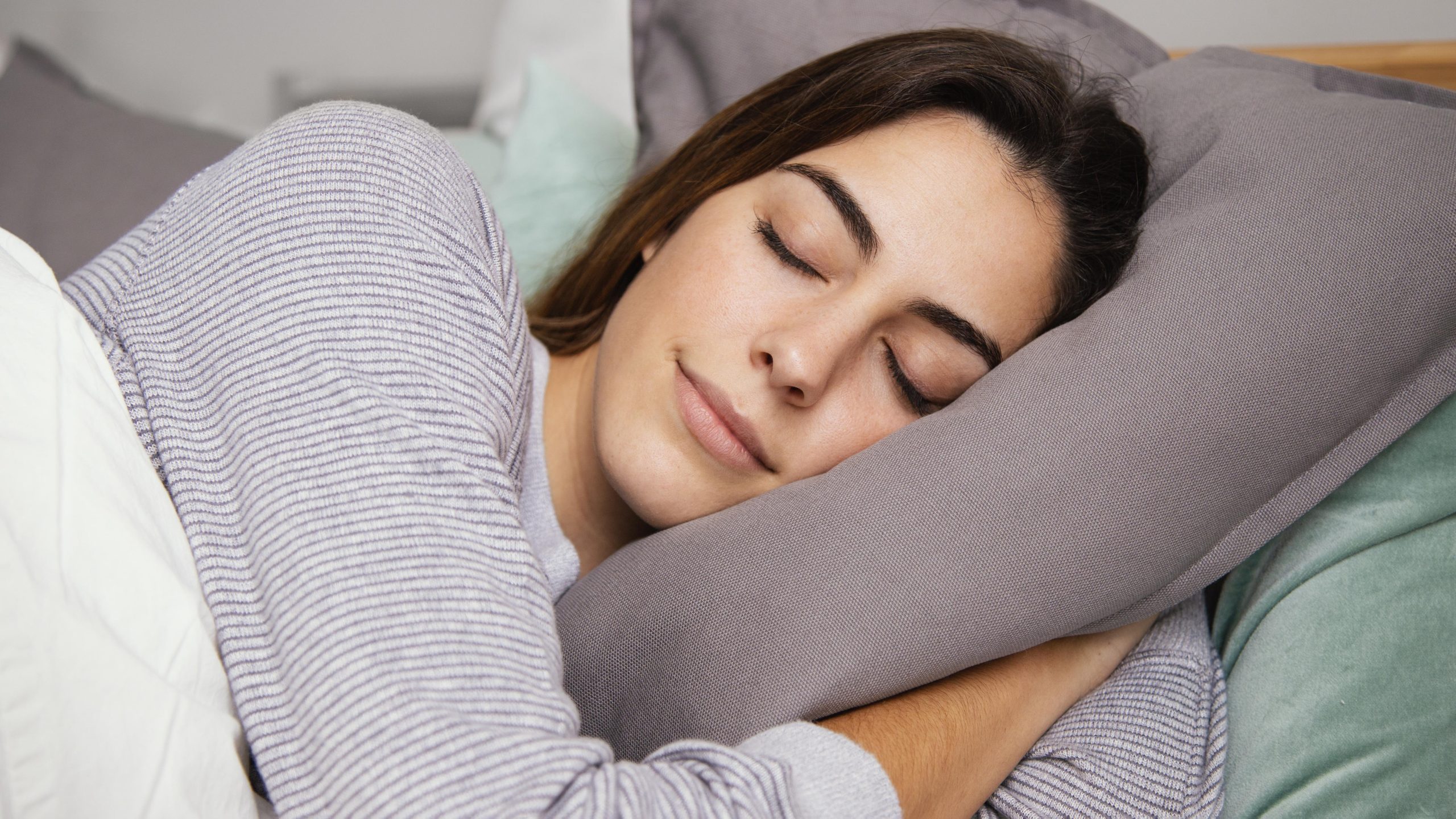 Sleep is where the body executes the bulk of its repair work. Growth hormone secretion peaks during deep sleep, glycogen stores rebuild, and central nervous system fatigue clears up. Athletes consistently sleeping below seven hours show measurable declines in reaction time, accuracy, and aerobic performance within days. Elite endurance athletes routinely target nine hours plus a daytime nap during heavy training blocks.
Three habits drive most of the gains: consistent bed and wake times, a cool, dark room, and no screens for 30 to 60 minutes before bed. None require equipment, yet all are routinely skipped, even at the highest levels of sport.
#2. Consider Medical Cannabis for Pain and Sleep Management
For athletes managing chronic pain, post-injury recovery, or persistent sleep disruption, medical cannabis has become a legitimate option in jurisdictions where it is legally accessible. Canada operates a structured medical authorization pathway under Health Canada, separate from recreational access, that connects athletes to clinicians, documented dosing protocols, and products with verified cannabinoid content.
The clinical model addresses two problems athletes face when buying cannabis recreationally. The first is specificity. Medical authorization opens access to formulations with documented THC:CBD ratios, terpene profiles, and consistent batch testing. The second is contamination risk.
CBD products sold outside regulated channels frequently contain unlabeled THC, which is the leading cause of inadvertent anti-doping violations among athletes using CBD. Cannabis-focused clinics, including Apollo Cannabis Clinics, handle the authorization process, ongoing dosing adjustments, and the documentation athletes need for both medical records and any sport-related compliance review.
The evidence base is growing. A randomized, placebo-controlled feasibility trial examined CBD for exercise-induced muscle injury and reported that CBD was safe and well-tolerated, with encouraging signals for pain reduction and functional recovery, though larger confirmatory trials are still needed. A cross-sectional survey of 80 elite-level Canadian athletes found that 38% had used CBD, with users reporting improved sleep (93%), relaxation (90%), and reduced training-related pain (77%).
#3. Match Hydration and Nutrition to Training Load
 Recovery depends on what the body has available. Protein intake of 1.6 to 2.2 grams per kilogram of body weight per day supports muscle protein synthesis. Carbohydrate intake refills glycogen stores, with 1.0 to 1.2 grams per kilogram in the first hour post-session, which helps restore glycogen levels more quickly. Fluid losses above 2% of body weight reduce performance.
Electrolyte balance matters as much as fluid volume. Sodium, potassium, and magnesium lost through sweat must be replaced for fluid to be absorbed effectively, and dehydration carries over into the next training session if not addressed within hours.
The fueling priorities athletes most often miss are the following:
- Hitting protein targets across 4 to 5 evenly spaced meals rather than one large dose
- Replacing carbohydrates within the first hour after hard sessions
- Replenishing sodium, potassium, and magnesium lost through sweat
- Monitoring morning bodyweight to catch cumulative dehydration
- Eating enough total calories to support the training load, not just macros
#4. Use Active Recovery, Not Passive Rest
Easy aerobic work between hard sessions clears metabolic byproducts faster than complete rest. A 20- to 40-minute easy spin, swim, or jog at 50 to 60% of max heart rate flushes the legs without adding training stress. Light mobility work and dynamic stretching follow the same logic. Movement promotes blood flow, and blood flow accelerates clearance.
Passive rest has its place after high-intensity blocks or competition, but the default day between hard sessions should include light movement.
#5. Understand Anti-Doping Rules Before Choosing Recovery Aids
Athletes competing under WADA-aligned governing bodies need to know which substances are restricted before reaching for any over-the-counter pain or sleep aid. Common ingredients in cold medications, supplements, and even contaminated CBD products have produced positive tests. The full rules are published in WADA’s Prohibited List and updated annually.
The distinction between in-competition and out-of-competition testing matters here. THC and other cannabinoids are prohibited in-competition with a urinary threshold of 150 ng/mL but are not tested out-of-competition. CBD is exempt entirely. Athletes traveling internationally also need to verify that any product they carry is legal in their destination jurisdiction.
#6. Apply Cold and Heat Therapy Strategically
Cold water immersion at 10 to 15°C for 10 to 15 minutes reduces perceived soreness and accelerates short-term recovery between competitive efforts. The trade-off is that regular post-training cold exposure can blunt some of the hypertrophy and strength adaptations from resistance work, so it is best timed around competition or congested fixture schedules rather than every session.
Heat exposure works through different mechanisms. Sauna sessions of 20 to 30 minutes post-training have been linked to increased plasma volume, improved heat acclimation, and aerobic gains in well-trained runners. Contrast therapy, which alternates hot and cold exposure, has plausible mechanisms but inconsistent evidence beyond perceived recovery benefits.
#7. Adjust Your Recovery Strategy as You Age
The recovery protocols that worked at 25 will not deliver the same returns at 45. Tendons lose elasticity, muscle mass declines through sarcopenia unless training and protein intake keep pace, and accumulated microtrauma takes longer to clear. As covered in The Aging Athlete’s Guide to Injury Prevention and Recovery, recovery becomes a more deliberate, structured process as natural repair capacity declines.
Practical adjustments that produce the largest returns with age:
- Adding a recovery day between hard sessions instead of stacking them
- Increasing protein intake toward the upper end of the recommended range
- Prioritizing sleep duration and consistency over additional training volume
- Addressing mobility deficits before they produce injury-causing compensations
- Reducing reliance on long-term NSAID use, which carries cardiovascular and renal risks that compound with age
#8. Use Physical Therapy for Structural Issues
Soreness clears on its own. Structural issues do not. Tendinopathies, joint dysfunction, soft tissue restrictions, and movement asymmetries respond to targeted clinical intervention but rarely to rest alone. As detailed in how physical therapy transforms sports recovery, athletes who work within a defined clinical framework consistently see better outcomes than those relying on ad-hoc approaches.
The early signs that warrant a clinical referral include pain that does not resolve in 5 to 7 days, pain that changes movement patterns, sharp or localized pain in tendons or joints, and any pain that follows a clear mechanism of injury. Catching issues at this stage shortens recovery timelines significantly.
#9. Build Mental Recovery into the Plan
Stress is stress, whether it comes from training load, work, sleep loss, or psychological pressure. The body responds to all of it through the same neuroendocrine pathways, and accumulated allostatic load reduces training tolerance regardless of the source. Athletes who treat mental recovery as optional consistently underperform their physical capacity.
Practical methods with evidence behind them include structured breathing protocols (box breathing or 4-7-8 patterns), mindfulness or meditation for 10 minutes daily, time outdoors away from screens, and journaling to offload stress. None are dramatic, but all compound when applied consistently.
Pulling It Together
The athletes who recover best treat these methods as a system, not a menu. Sleep, nutrition, and active recovery form the daily foundation. Cold, heat, and physical therapy are used when conditions warrant them. Medical pain-management options are evaluated against the rules of the athlete’s sport and the goals of the protocol. Mental recovery underpins all of it. No single method produces a breakthrough; the gains come from consistent execution across all nine areas, with the protocol adjusted as the body and the demands of the sport change over time.